

On the night of December 13–14, 2025, SpaceX’s Falcon 9 rocket lifted off from Space Launch Complex 4E (Vandenberg Space Force Base) in California, delivering 27 new Starlink internet satellites into low-Earth orbit. According to SpaceX’s official update, the mission — designated Starlink Group 15-12 — successfully lofted the satellites into their planned orbital slots, expanding the growing Starlink broadband constellation.
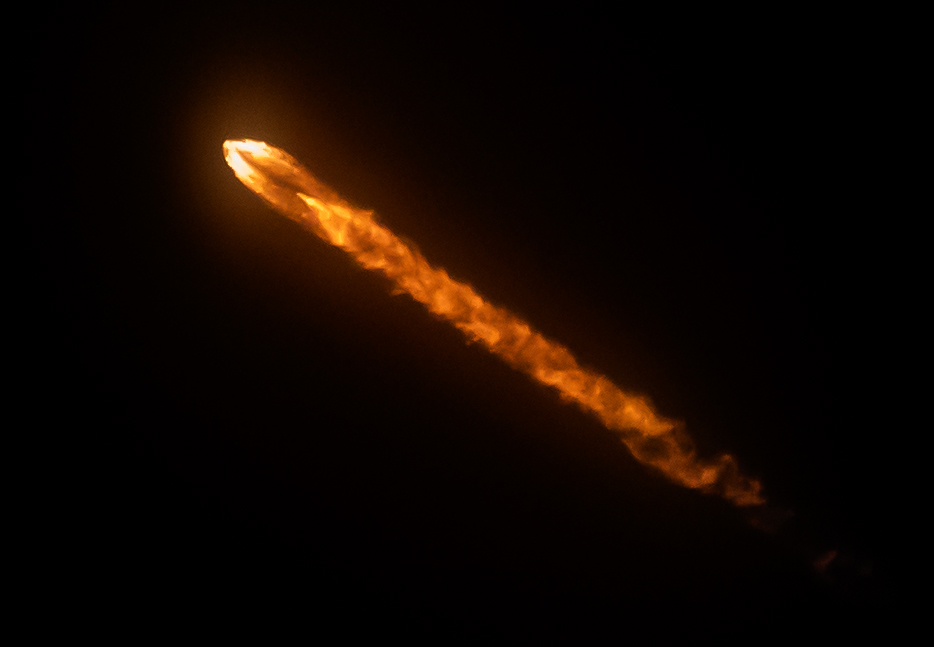
The launch occurred in the late evening local time, with liftoff around 9:49 p.m. PST (about 12:49 a.m. EST on Dec 14) and was accompanied by reports of a noticeable sonic boom felt along the California coast. Shortly after the rocket’s upper stage delivered its payload, the Falcon 9 first stage — already extensively reused — completed a targeted landing on the droneship Of Course I Still Love You in the Pacific Ocean, marking another achievement in SpaceX’s reusable-rocket operations.

This latest launch is part of SpaceX’s high-cadence deployment strategy throughout 2025. With more than 9,300 Starlink satellites now operational as part of a constellation of over 10,000 launched since 2019, the network continues to grow in capacity and global footprint.By placing these satellites in low-Earth orbit, Starlink enhances worldwide broadband connectivity — from rural and underserved regions to maritime zones and even aviation connectivity — offering high-speed, low-latency internet where traditional infrastructure is limited or unavailable.

For observers along the U.S. West Coast, the California launch was visually striking: the Falcon 9’s ascent pierced the night sky, leaving a bright plume visible for miles, and the subsequent sonic boom confirmed the rocket’s supersonic transit through the atmosphere.As SpaceX continues to push toward a routine launch cadence, each new Starlink deployment reinforces the operational scale that modern reusable rocketry enables.


Leave a comment