

SpaceX is preparing for another milestone mission with its upcoming Transporter-16 Falcon 9 launch, a rideshare mission that will deliver an impressive 119 payloads into orbit. This mission highlights SpaceX’s continued leadership in the commercial launch industry and its ability to provide cost-effective access to space for small satellite operators worldwide.
The mission is scheduled to launch from Vandenberg Space Force Base in California, with a launch window opening at approximately 3:19–3:20 a.m. PDT (10:19–10:20 UTC) on March 30, 2026.
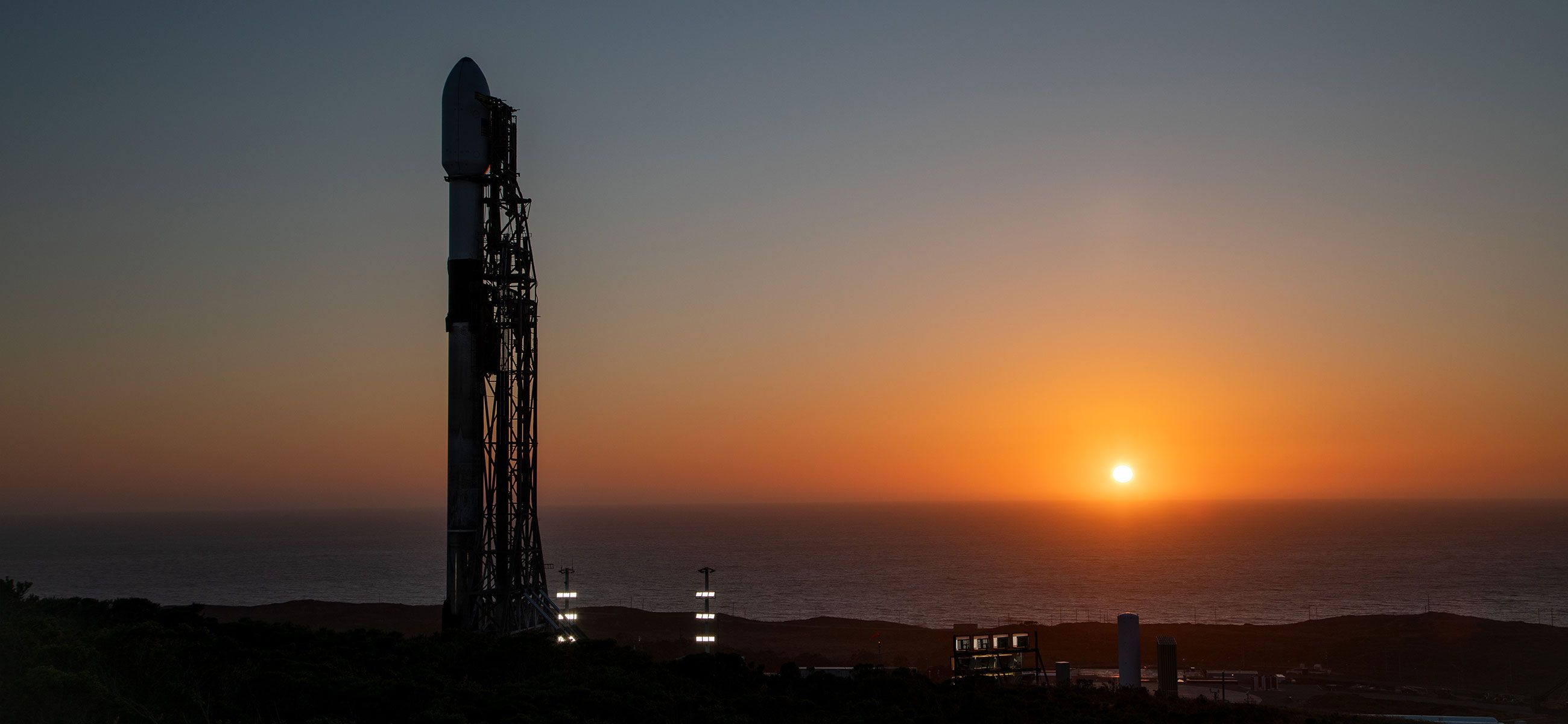
Transporter-16 Falcon 9 Launch Expands Rideshare Capabilities
The Transporter-16 Falcon 9 launch is part of SpaceX’s SmallSat Rideshare Program, which provides affordable and reliable launch opportunities for small payloads.
This mission will carry:
- 119 total payloads
- Cubesats and microsatellites
- Hosted payloads
- Orbital transfer vehicles
- A reentry vehicle
These payloads will be deployed into Sun-synchronous orbit (SSO), a highly desirable orbit for Earth observation and scientific missions.
Since its introduction, the Transporter program has revolutionized access to space by allowing multiple customers to share a single launch, significantly reducing costs compared to dedicated missions.
Launch Timeline and Mission Profile
The Transporter-16 Falcon 9 launch will follow a well-established mission profile:
- Launch site: Space Launch Complex-4E (SLC-4E), California
- Launch window: 57 minutes
- Orbit: Sun-synchronous orbit (SSO)
- Payload deployment start: ~55 minutes after liftoff
The Falcon 9 rocket will travel southward along a polar trajectory, optimized for placing satellites into SSO. Once in orbit, payload deployment will occur in multiple phases, ensuring precise placement for each satellite.
Reusability and Booster Landing
A key highlight of the Transporter-16 Falcon 9 launch is SpaceX’s reusable rocket technology.
For this mission:
- The first-stage booster is expected to complete its 12th flight
- It will land on the droneship “Of Course I Still Love You” in the Pacific Ocean
- Landing is expected approximately 8–9 minutes after liftoff
This reusability significantly reduces launch costs and enables SpaceX to maintain a rapid launch cadence unmatched in the industry.

Why Transporter Missions Matter
The Transporter-16 Falcon 9 launch is more than just another rocket launch—it represents a major shift in how satellites reach orbit.
1. Lower Cost Access to Space
By sharing launch capacity, small satellite operators can access orbit at a fraction of traditional costs.
2. Increased Launch Frequency
SpaceX’s rideshare missions occur regularly, allowing companies to deploy satellites faster and more predictably.
3. Global Innovation Enablement
These missions support a wide range of applications, including:
- Earth observation
- Climate monitoring
- Telecommunications
- Scientific research
Payload Diversity and Industry Impact
One of the most remarkable aspects of the Transporter-16 Falcon 9 launch is the diversity of payloads onboard.
The mission includes satellites from:
- Commercial companies
- Government agencies
- Academic institutions
For example, previous Transporter missions have supported hundreds of organizations, making space more accessible than ever before.
Some payloads on this mission are designed to:
- Test new propulsion technologies
- Demonstrate AI computing in orbit
- Collect environmental and geospatial data
This diversity underscores the importance of rideshare missions in advancing space technology.

SpaceX’s Growing Launch Dominance
The Transporter-16 Falcon 9 launch is part of an increasingly busy launch schedule for SpaceX.
The company has:
- Conducted dozens of launches annually
- Deployed thousands of satellites
- Established itself as the leading commercial launch provider
In fact, the Transporter program alone has already delivered over 1,600 payloads into orbit across multiple missions.
This rapid deployment capability allows SpaceX to support both its own Starlink constellation and third-party customers simultaneously.
The Future of Rideshare Missions
Looking ahead, the success of the Transporter-16 Falcon 9 launch signals continued growth in rideshare missions.
Future trends may include:
- Even larger payload counts per launch
- More advanced satellite technologies
- Increased international participation
- Integration with next-generation launch systems
As demand for satellite services grows, rideshare missions will play an increasingly important role in the global space economy.
Conclusion
The upcoming Transporter-16 Falcon 9 launch, scheduled for March 30, 2026, at approximately 3:20 a.m. PDT, represents another major milestone in SpaceX’s mission to democratize access to space.
By delivering 119 payloads into orbit in a single launch, SpaceX continues to push the boundaries of efficiency, affordability, and scalability in space transportation.
As the space industry evolves, missions like Transporter-16 will remain at the forefront of innovation, enabling new technologies and expanding humanity’s presence in orbit.


Leave a comment