

Access to reliable internet has become a fundamental part of modern education. However, millions of students and teachers living in rural and remote communities still face challenges caused by limited connectivity, preventing them from accessing online learning resources, virtual classrooms, and digital tools. The Starlink Rural Students initiative is helping change this situation by bringing high-speed, low-latency internet to schools and homes that previously lacked reliable connections.
From Indigenous communities in New Mexico to rural schools in Oregon and remote households across underserved regions, Starlink is helping students connect to the digital world. With satellite internet technology, schools can access online learning platforms, teachers can provide richer educational experiences, and students can participate in virtual classes without being limited by geographic location.
The impact of Starlink Rural Students extends beyond classrooms. By connecting student homes, Starlink helps families complete homework, attend online lessons, conduct research, and access educational opportunities that were previously unavailable.
Satellite connectivity is becoming an important solution for closing the digital divide and ensuring that students in remote areas have the same opportunities as learners in cities.

Why Starlink Rural Students Connectivity Matters for Education
Education has increasingly moved into the digital environment. Students today rely on the internet for:
- Online research
- Digital textbooks
- Video lessons
- Virtual classrooms
- Educational software
- Collaboration tools
However, many rural communities struggle with slow, unstable, or unavailable internet services.
Traditional broadband expansion often requires expensive infrastructure projects, especially in areas with:
- Low population density
- Difficult terrain
- Remote locations
- Limited transportation access
For many communities, building fiber networks or installing extensive cellular infrastructure is not economically practical.
The Starlink Rural Students program demonstrates how low Earth orbit satellite technology can provide an alternative approach. By connecting directly through satellites, schools and families can access high-speed internet without waiting years for traditional infrastructure development.
Connecting Rural Classrooms With Digital Learning Tools
One of the most significant impacts of Starlink has been improving connectivity inside rural classrooms.
At Ojo Encino Pre-School in the Navajo Nation community of New Mexico, teachers previously faced difficulties using online educational resources because the school’s internet connection could not support modern digital learning requirements.
After installing Starlink, educators were able to:
- Access online learning materials
- Conduct virtual lessons
- Connect multiple devices simultaneously
- Upload and download educational files
- Use digital learning platforms
Previously, streaming virtual lessons on even one computer could be challenging. With Starlink connectivity, teachers gained the ability to support multiple students and devices at the same time.
This transformation shows how reliable internet access can change the daily learning experience for both educators and students.
Starlink Rural Students in Mist, Oregon: A New Classroom Experience
The rural community of Mist, Oregon, experienced similar connectivity challenges.
Before Starlink became available, students and teachers at Mist Grade School struggled with slow and unreliable internet. Many online education tools could not function properly because the existing connection lacked the speed and reliability needed for modern classrooms.
Attempts to install traditional high-speed connections were difficult because extending dedicated infrastructure through rural roads was too expensive.
Starlink provided a practical solution by delivering high-speed, low-latency internet directly to the school.
As a result:
- Students could use online learning platforms
- Teachers gained access to digital teaching resources
- Multiple students could connect simultaneously
- Classroom technology became more effective
The Vernonia School District reported that the school moved from limited connectivity supporting only a few computers to reliable internet access for all students.
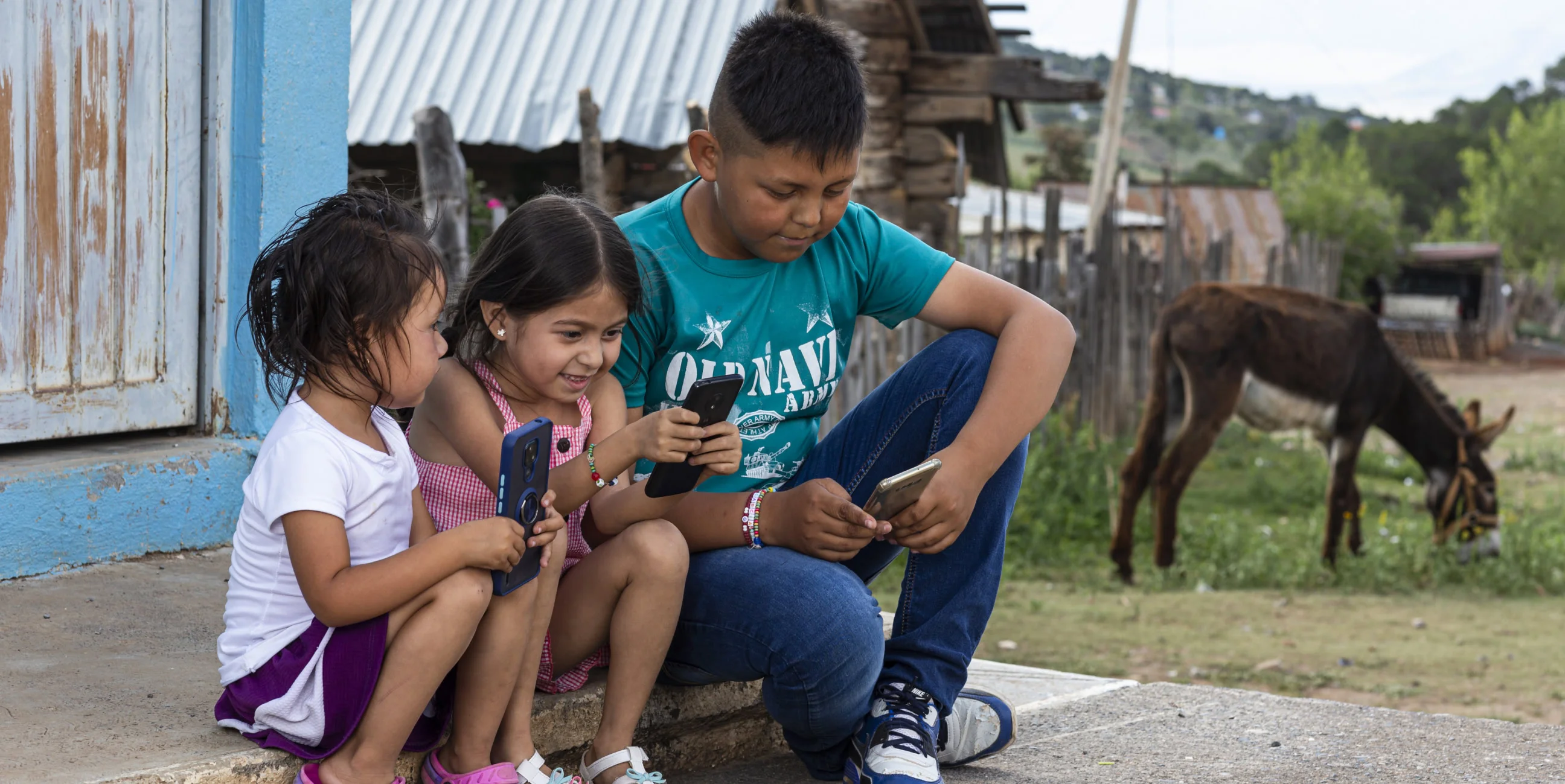
Bringing Internet Access to Students’ Homes
Classroom connectivity is important, but students also need internet access outside school.
Homework, online courses, research projects, and virtual lessons often require students to have reliable home connections.
The digital divide becomes especially visible when students return home after school but cannot access the same online resources available to their peers.
The Starlink Rural Students initiative has helped extend connectivity beyond classrooms by providing internet access to student households.
After seeing successful results at Ojo Encino Pre-School, the Cuba Independent School District expanded Starlink access to hundreds of student homes, including many households located on the Navajo Nation Reservation where cellular service was unavailable.
Students reported being able to participate in complete virtual classes without interruptions and multiple students in the same household could finally connect at the same time.
Supporting Equal Educational Opportunities
Internet access is no longer just a convenience—it is an essential educational resource.
Without reliable connectivity, students may experience disadvantages in:
- Completing assignments
- Developing digital skills
- Accessing online courses
- Preparing for future careers
The Starlink Rural Students project helps reduce these barriers by providing access to the same digital resources available to students in better-connected areas.
Reliable internet allows rural learners to:
- Explore global information
- Develop technology skills
- Participate in online communities
- Prepare for digital careers
Connectivity creates opportunities that extend far beyond the classroom.
Supporting Indigenous Communities Through Connectivity
Many rural connectivity challenges affect Indigenous communities located in geographically isolated areas.
For communities such as those within the Navajo Nation and Cherokee Nation, reliable internet access plays an important role in supporting education and economic development.
The Cherokee Nation has also used Starlink connectivity to improve access for tribal members in rural Oklahoma. Community leaders have highlighted that every child should have equal access to online education opportunities regardless of where they live.
By providing internet access without requiring extensive ground infrastructure, Starlink helps remote communities participate more fully in the digital economy.
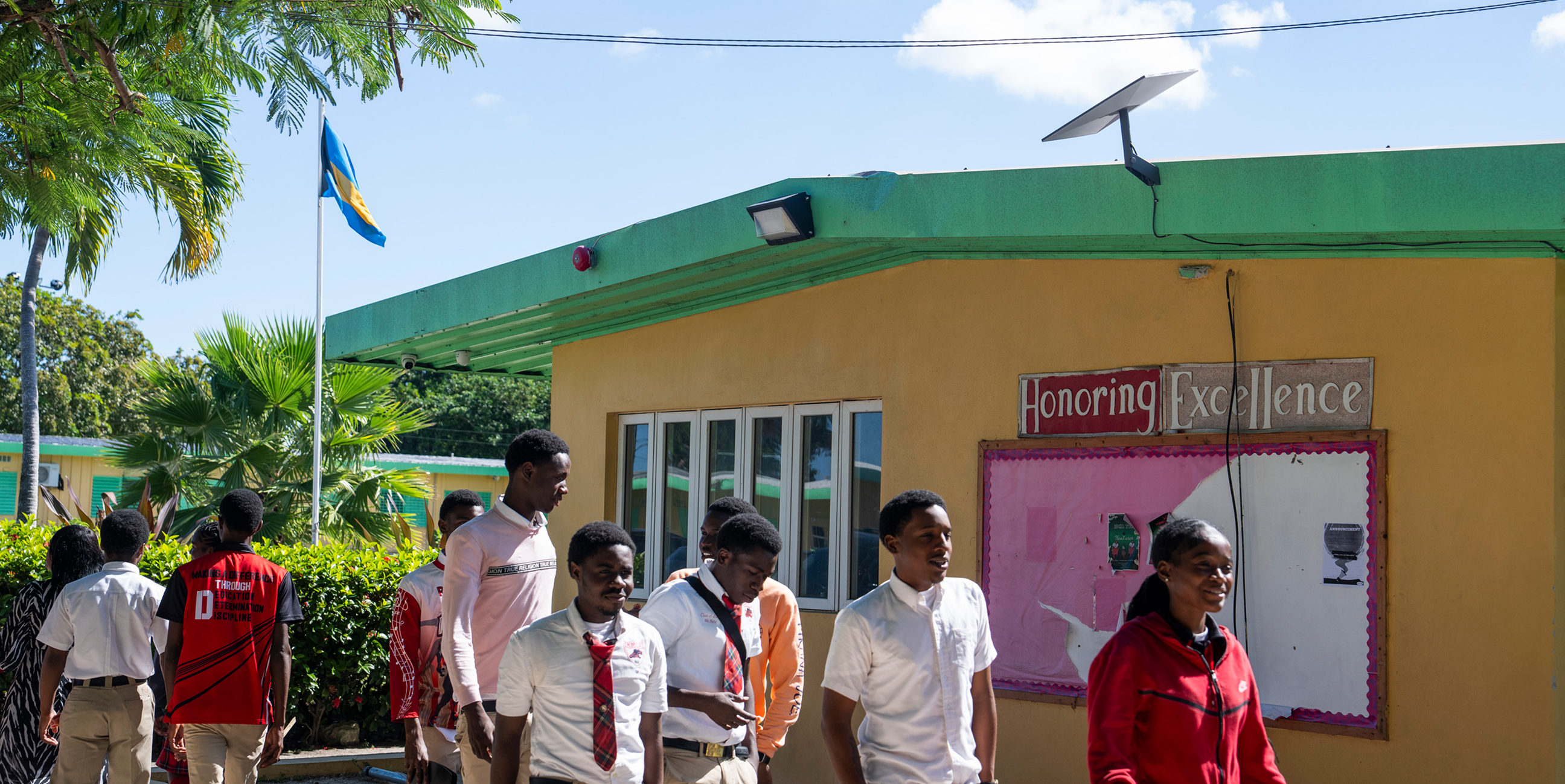
How Starlink Technology Helps Rural Education
Starlink uses a network of low Earth orbit satellites to provide broadband connectivity.
Compared with traditional satellite systems, low Earth orbit satellites operate closer to Earth, helping reduce communication delays and improve internet performance.
For schools and rural communities, this technology provides several advantages:
Fast Deployment
Starlink equipment can be installed quickly without large construction projects.
Wide Geographic Coverage
Remote locations can receive connectivity even when traditional providers cannot reach them.
Flexible Installation
Schools, homes, and organizations can deploy Starlink systems in various environments.
Reliable Digital Access
Students can use modern educational applications requiring stable internet connections.
The Future of Starlink Rural Students and Digital Education
As education becomes increasingly digital, internet access will continue to shape learning opportunities worldwide.
The success of the Starlink Rural Students program demonstrates how satellite connectivity can support:
- Remote learning
- Digital literacy
- Teacher development
- Online collaboration
- Educational equality
Future generations of students will increasingly depend on digital skills, and reliable connectivity will play a major role in preparing them for future opportunities.
Satellite internet is not replacing traditional education—it is expanding what is possible.
Starlink Accessories for Rural Education Deployments
For schools, community centers, and remote learning locations, reliable Starlink installation equipment is essential.
EDUP provides Starlink accessories designed for stable deployments, including:
- Starlink mounts
- Cable extensions
- DC power solutions
- PoE injectors
- Network adapters
These accessories help schools and organizations create reliable connectivity systems in challenging environments.
Internal Link:
https://wxplink.com
Learn more about Starlink education connectivity:
External Do-Follow Link:
https://www.starlink.com/business/case-studies/education
Conclusion
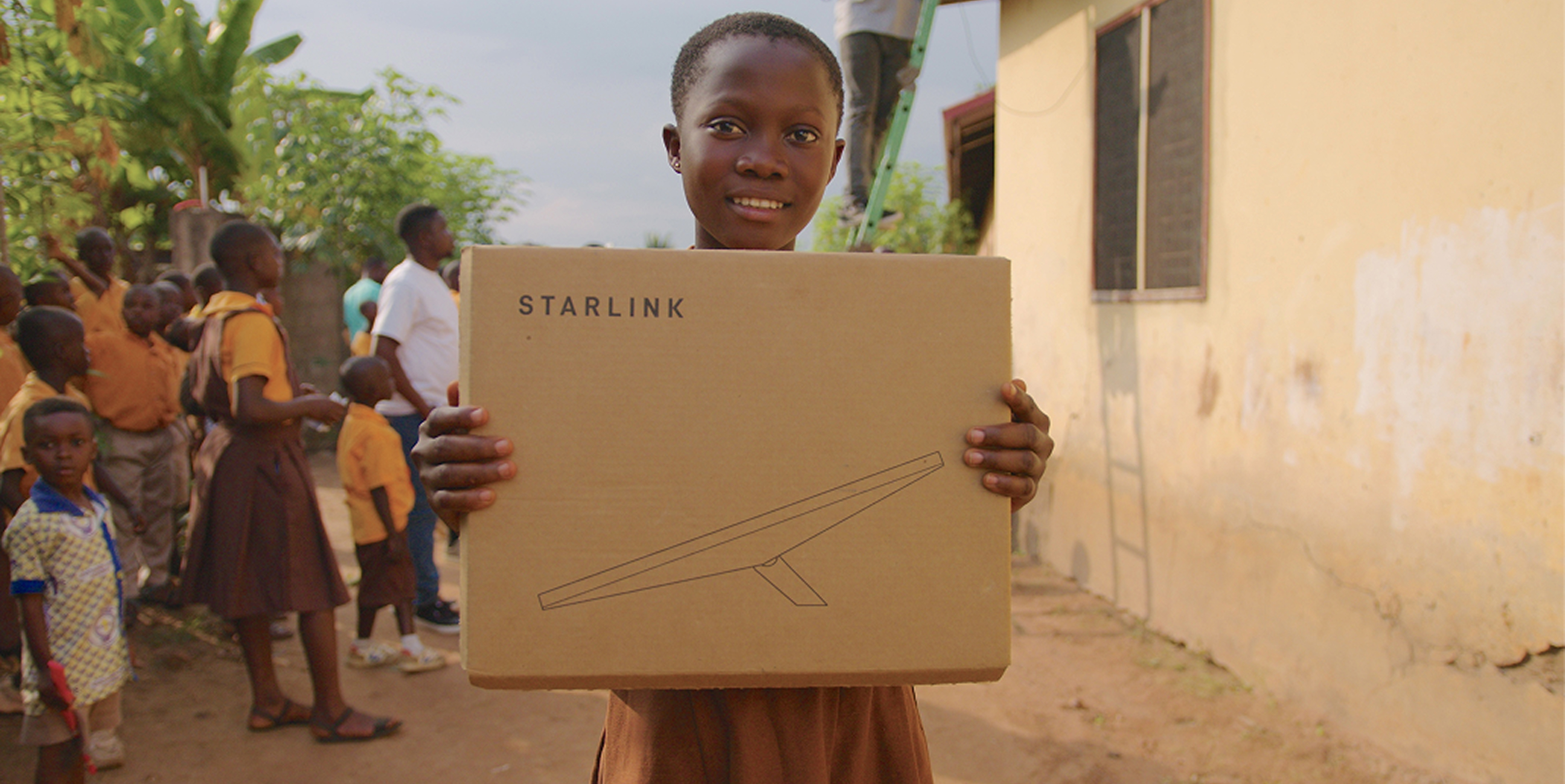
The Starlink Rural Students initiative demonstrates how satellite internet can transform education in remote communities.
By connecting classrooms and student homes, Starlink is helping teachers access digital resources, enabling students to participate in online learning, and reducing the educational gap between rural and urban areas.
From New Mexico to Oregon and beyond, reliable internet access is opening new possibilities for students who previously faced connectivity limitations.
As satellite technology continues advancing, more students around the world will gain access to the tools, information, and opportunities they need to succeed.


Leave a comment