

When natural disasters strike, communication becomes one of the most important lifelines for affected communities. The Starlink Venezuela Emergency Response initiative is helping restore essential connectivity following the devastating earthquakes in Venezuela by providing free satellite internet services, deploying additional Starlink terminals, and enabling emergency mobile connectivity for impacted residents.
In the aftermath of a major earthquake, traditional telecommunications infrastructure can suffer extensive damage, leaving families unable to contact loved ones, emergency responders unable to coordinate rescue operations, and businesses unable to continue critical services. To help address these challenges, Starlink announced free service through July 25 for both new and existing customers in affected areas while rapidly deploying additional satellite terminals to restore communications where they are needed most.
In addition, Starlink Mobile is providing free direct-to-cell connectivity for Movistar customers in the La Guaira region and is working to extend the same service to Digitel and Movilnet customers. Compatible LTE smartphones can automatically connect to Starlink Mobile for SMS communication even when terrestrial cellular networks are unavailable, helping families remain connected during emergency situations.
The Starlink Venezuela Emergency Response demonstrates how satellite technology can provide resilient communications when conventional infrastructure fails.
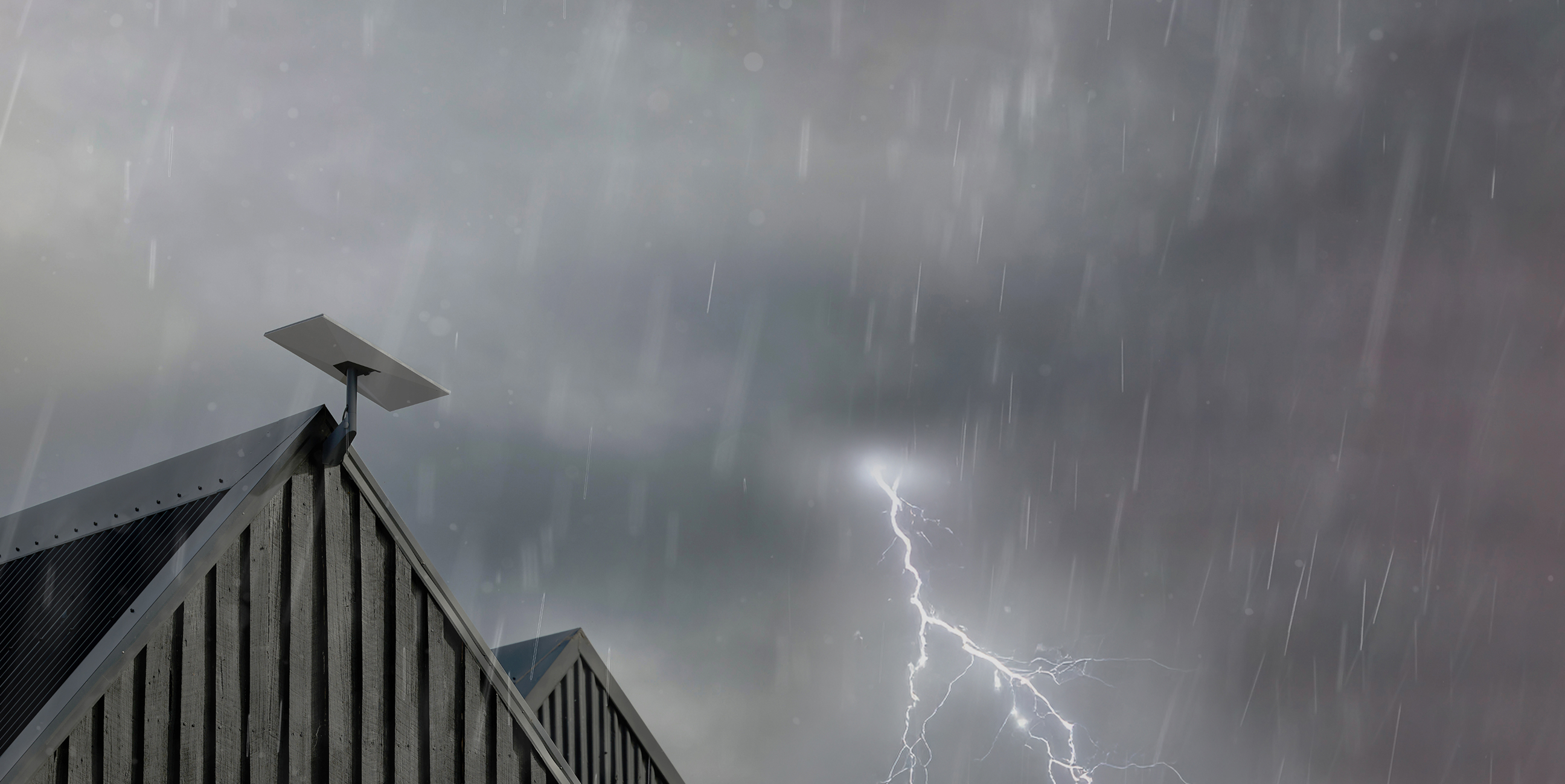
Why Starlink Venezuela Emergency Response Is Critical During Natural Disasters
Earthquakes often damage critical infrastructure, including:
- Cellular towers
- Fiber-optic networks
- Power systems
- Internet exchanges
- Communication equipment
Without reliable communication, emergency response efforts become significantly more difficult.
The Starlink Venezuela Emergency Response helps overcome these challenges by providing internet connectivity directly from low-Earth-orbit satellites instead of depending solely on damaged ground infrastructure.
This enables responders and communities to reconnect more quickly after disasters.
Free Satellite Internet for Impacted Communities
One of the most significant aspects of the Starlink Venezuela Emergency Response is the provision of free Starlink service for customers affected by the earthquakes.
Providing free connectivity helps:
- Families communicate with relatives
- Businesses resume operations
- Emergency organizations coordinate relief
- Communities access critical information
- Residents receive official emergency updates
Reliable internet access becomes an essential recovery tool during the days and weeks following a disaster.

Rapid Deployment of Starlink Terminals
In addition to offering free service, Starlink is rapidly deploying satellite terminals into the hardest-hit regions.
Portable Starlink terminals can be installed quickly, making them especially valuable when traditional infrastructure has been damaged.
The Starlink Venezuela Emergency Response supports:
Emergency Coordination
Government agencies and emergency organizations require dependable communication to organize rescue efforts and allocate resources efficiently.
Healthcare Communication
Medical facilities benefit from reliable internet access for coordinating patient care, communicating with hospitals, and accessing online medical information.
Community Recovery
Internet connectivity enables local governments, businesses, and humanitarian organizations to coordinate recovery activities more effectively.
Rapid deployment allows communication networks to be restored much faster than rebuilding traditional infrastructure.
Starlink Mobile Expands Emergency Connectivity
A major advancement within the Starlink Venezuela Emergency Response is the introduction of Starlink Mobile direct-to-cell technology.
Unlike traditional satellite phones, compatible LTE smartphones can automatically connect to Starlink satellites when terrestrial cellular networks are unavailable.
Initially available for Movistar customers in the La Guaira region, the service is also being expanded for customers using Digitel and Movilnet.
This technology allows users to continue sending SMS messages during emergencies without requiring additional hardware.
Coverage performs best with a clear view of the sky.
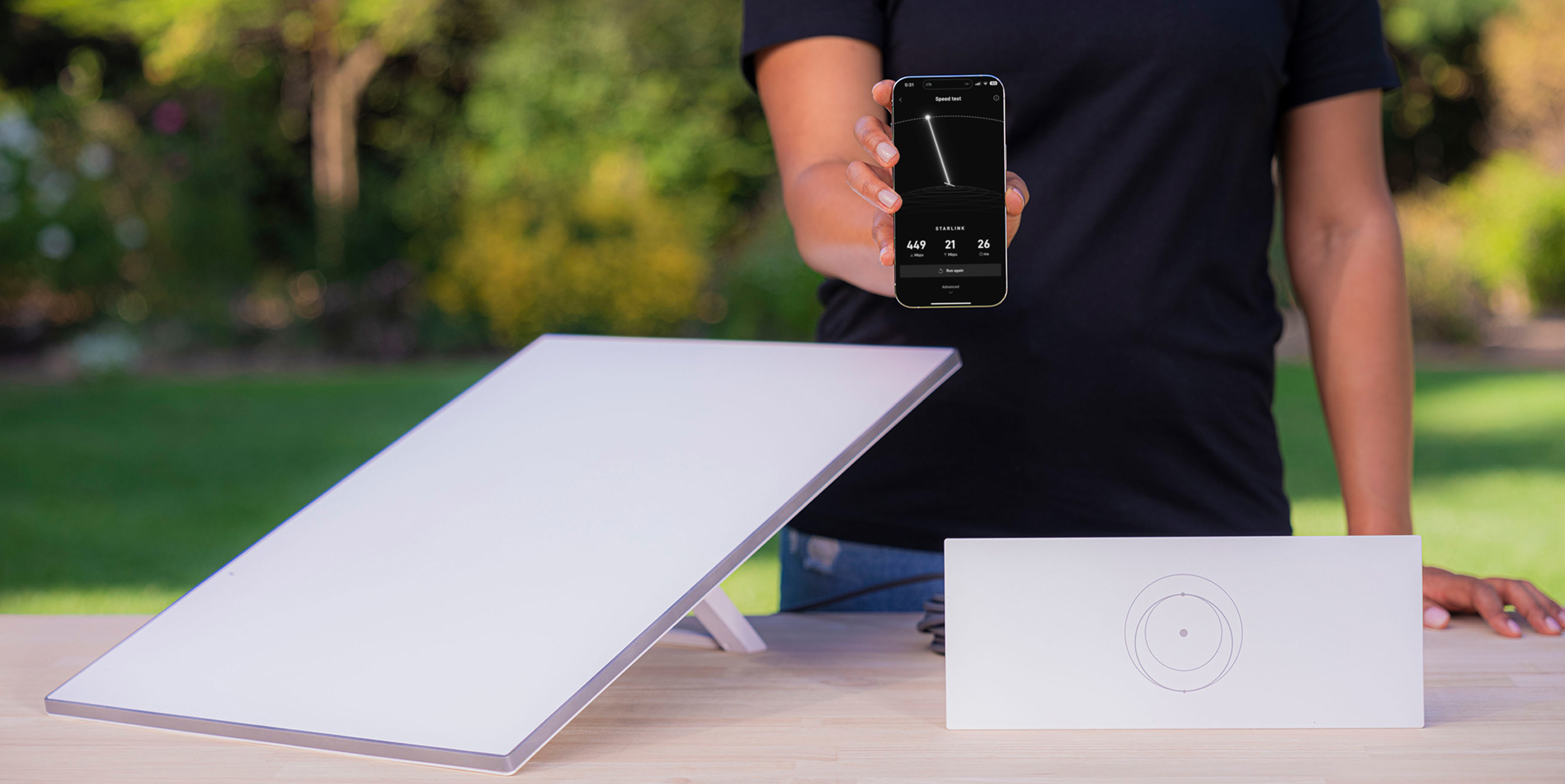
How Direct-to-Cell Technology Works
Traditional mobile communication depends on nearby cellular towers.
When those towers lose power or become damaged, mobile service can disappear.
Starlink Mobile provides an alternative by allowing compatible LTE smartphones to communicate directly through Starlink satellites.
The advantages include:
- Automatic connection
- No external satellite device required
- Emergency SMS capability
- Greater resilience during disasters
- Expanded coverage in affected areas
The Starlink Venezuela Emergency Response highlights the growing role of direct-to-cell satellite communication in disaster recovery.
Supporting Families, Businesses, and Emergency Teams
Reliable communication benefits everyone affected by a disaster.
Families can:
- Confirm loved ones are safe
- Receive emergency information
- Stay connected during evacuations
Businesses can:
- Coordinate employees
- Resume operations
- Communicate with suppliers
Emergency responders can:
- Coordinate rescue missions
- Share situational updates
- Allocate resources efficiently
- Improve response times
The Starlink Venezuela Emergency Response provides communication infrastructure that supports every stage of disaster recovery.
Satellite Internet Is Becoming Essential for Disaster Recovery
Around the world, satellite connectivity is increasingly being used during:
- Earthquakes
- Hurricanes
- Floods
- Wildfires
- Remote humanitarian operations
Unlike traditional communication systems that rely on local infrastructure, satellite internet remains available even when roads, power grids, and communication towers have been damaged.
The Starlink Venezuela Emergency Response demonstrates how satellite technology can improve resilience and strengthen emergency preparedness.
As direct-to-cell services continue expanding globally, emergency communication may become faster, more reliable, and more widely available than ever before.

Building More Resilient Communities
Natural disasters will continue to challenge communication networks worldwide.
Investing in resilient technologies such as satellite internet helps communities recover faster while improving coordination among governments, emergency responders, healthcare providers, and humanitarian organizations.
The Starlink Venezuela Emergency Response illustrates how modern satellite communications can play a vital role in protecting lives, restoring essential services, and helping communities rebuild after catastrophic events.
As satellite technology continues evolving, emergency connectivity will become an increasingly important part of disaster preparedness strategies around the world.
For Starlink installation solutions and accessories, visit: https://wxplink.com
For official Starlink information, visit: https://www.starlink.com


Leave a comment