

As wildfires continue to intensify across California, emergency communication systems are increasingly becoming a critical weakness during disaster response operations. In the Santa Monica Mountains region surrounding Malibu, Topanga, and Pacific Palisades, infrastructure failures, overloaded cellular networks, and widespread power outages frequently cripple traditional communications precisely when emergency responders need them most.
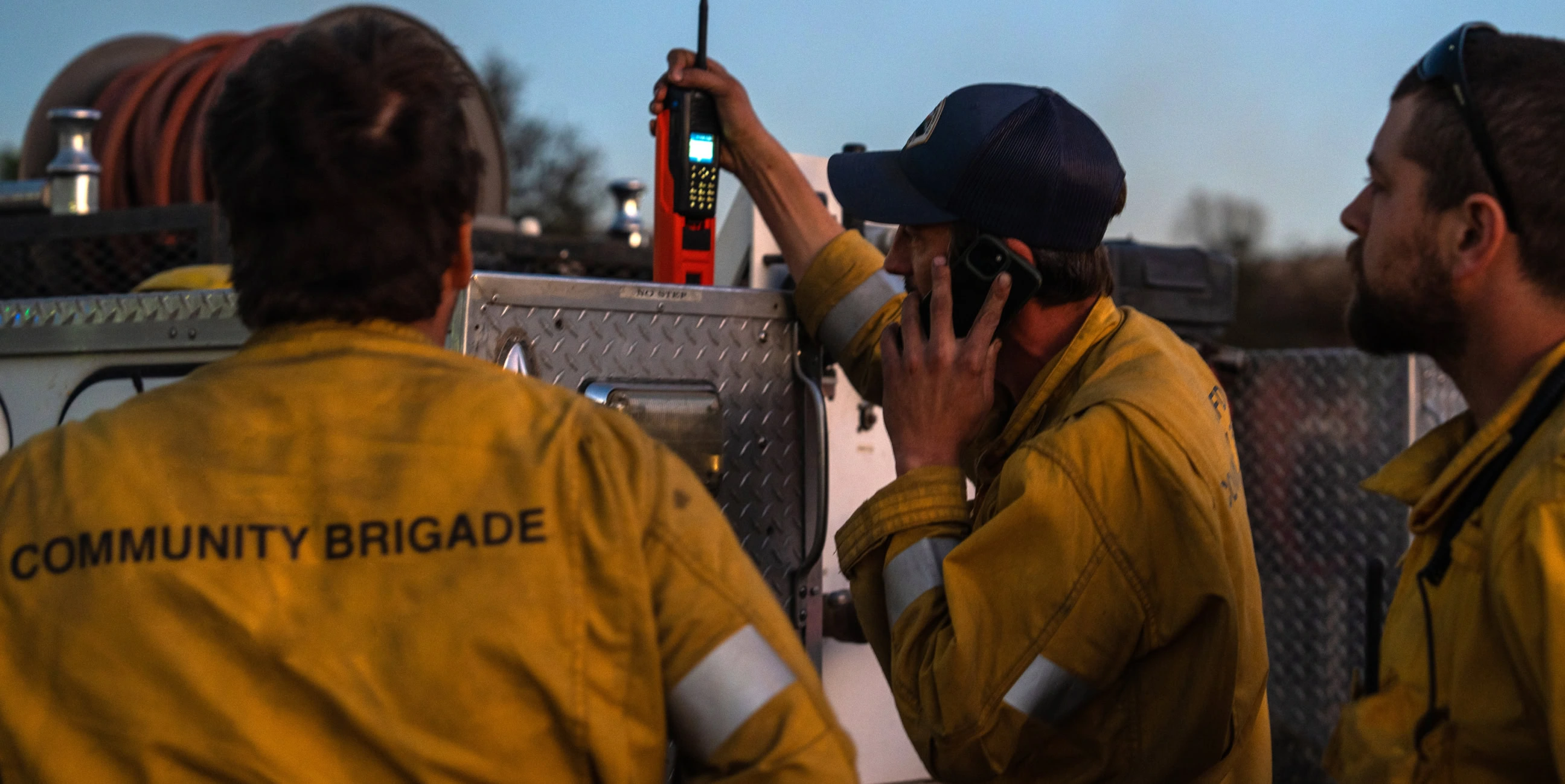
To address this growing operational challenge, the Community Brigade — a volunteer wildfire response and resilience organization operating throughout the Santa Monica Mountains — integrated Starlink wildfire response systems into its emergency fleet. By deploying 22 Starlink units across fire apparatus, personal vehicles, and field base camps, the organization transformed how teams coordinated during major wildfire incidents such as the devastating Palisades Fire.
The deployment demonstrated how low-Earth orbit (LEO) satellite connectivity is rapidly becoming an essential component of modern emergency response infrastructure in high-risk wildfire regions.
Why Wildfire Communication Systems Often Fail
One of the biggest operational challenges during major wildfires is the collapse of conventional communication infrastructure.
During fast-moving fires, cellular towers can quickly become overwhelmed by:
- mass evacuation traffic
- network congestion
- power outages
- physical damage to infrastructure
- overloaded emergency communication channels
In mountainous terrain such as Malibu and Topanga Canyon, poor cellular coverage already exists under normal conditions. During wildfire emergencies, these gaps become even more severe. According to the Community Brigade, previous reliance on very-high-frequency (VHF) radios and repeaters allowed only limited voice coordination without modern digital operational capabilities.
This created significant problems for:
- personnel accountability
- real-time mapping
- fire progression modeling
- inter-agency coordination
- wellness checks
- evacuation management
The situation became especially dangerous during the 2025 Palisades Fire, one of the most destructive fires in Los Angeles history. The wildfire destroyed thousands of structures, displaced over 100,000 residents, and severely impacted communications infrastructure throughout the region.
How Starlink Wildfire Response Systems Changed Operations
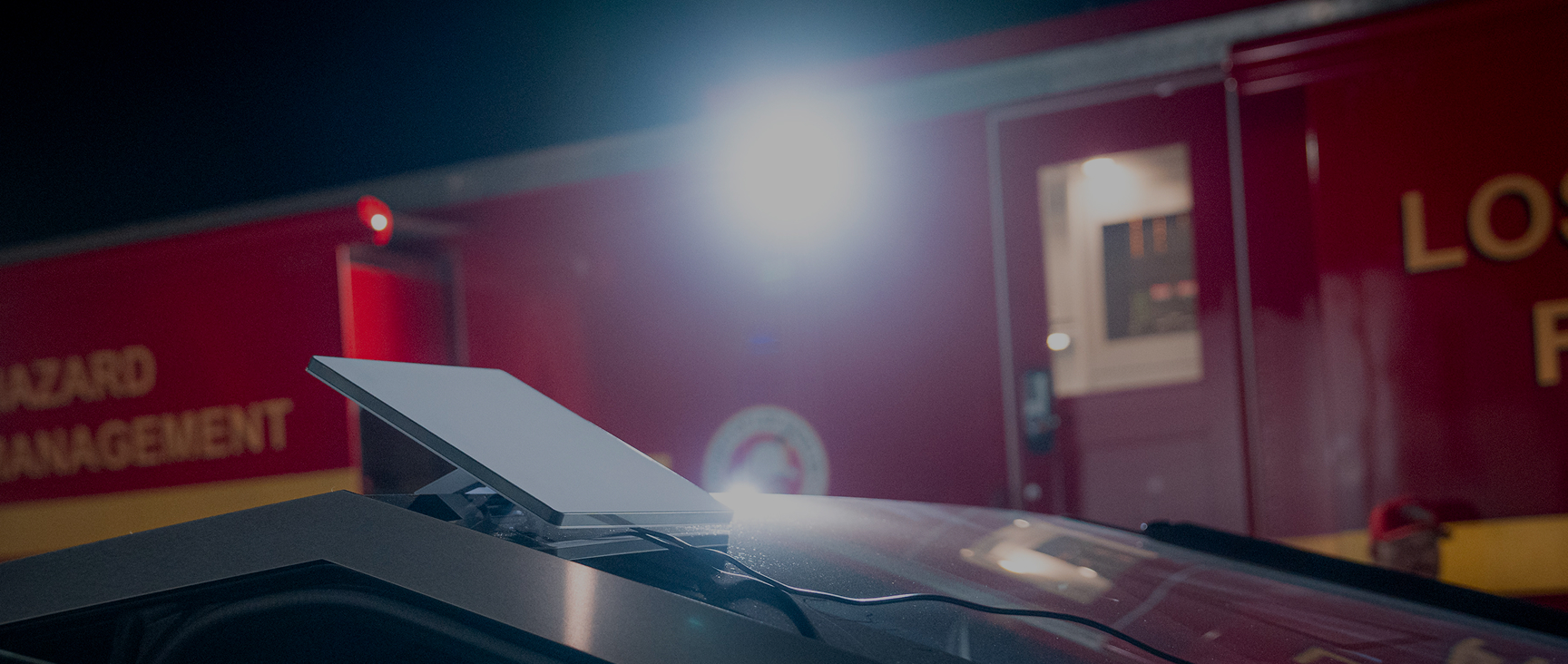
The Community Brigade adopted a mobile Starlink wildfire response strategy to ensure uninterrupted internet connectivity even when terrestrial infrastructure failed.
Starlink terminals were installed across:
- 10 wildfire apparatus vehicles
- personal response vehicles
- mobile field camps
- operational staging areas
This distributed deployment architecture allowed responders to create resilient mobile communication zones wherever teams were deployed.
Unlike traditional cellular systems, Starlink operates through a constellation of low-Earth orbit satellites that communicate directly with portable phased-array terminals on the ground. Because the system bypasses damaged terrestrial infrastructure entirely, connectivity remains operational even when nearby cell towers and fiber backhaul systems fail.
During the Palisades Fire, the Starlink deployment enabled:
- uninterrupted operational internet access
- live situational awareness updates
- digital fire mapping
- personnel tracking systems
- real-time coordination with law enforcement
- incident command communications
According to Starlink’s case study, the Community Brigade achieved a 100% reduction in connectivity downtime during critical incidents after deploying the system.
Real-Time Situational Awareness Improves Safety
One of the most important benefits of the Starlink wildfire response deployment was enhanced responder safety.
Wildfire environments evolve rapidly, especially during wind-driven events common in Southern California. The Palisades Fire spread aggressively under powerful Santa Ana wind conditions, overwhelming many conventional response systems.
Prior to Starlink integration, responders often lacked access to:
- updated fire perimeter models
- GPS personnel tracking
- shared operational maps
- live incident updates
- centralized coordination tools
With Starlink-enabled broadband connectivity, teams could continuously access cloud-based operational platforms directly from the field. This dramatically improved situational awareness and reduced delays in decision-making.
The Brigade reported that more than 50 responders remained continuously connected across over 5,000 volunteer operational hours during major incidents.
This capability allowed commanders to track crews more accurately while coordinating life-safety operations alongside agencies such as the Los Angeles County Sheriff’s Department.
Wildfires Are Driving Demand for Mobile Satellite Connectivity
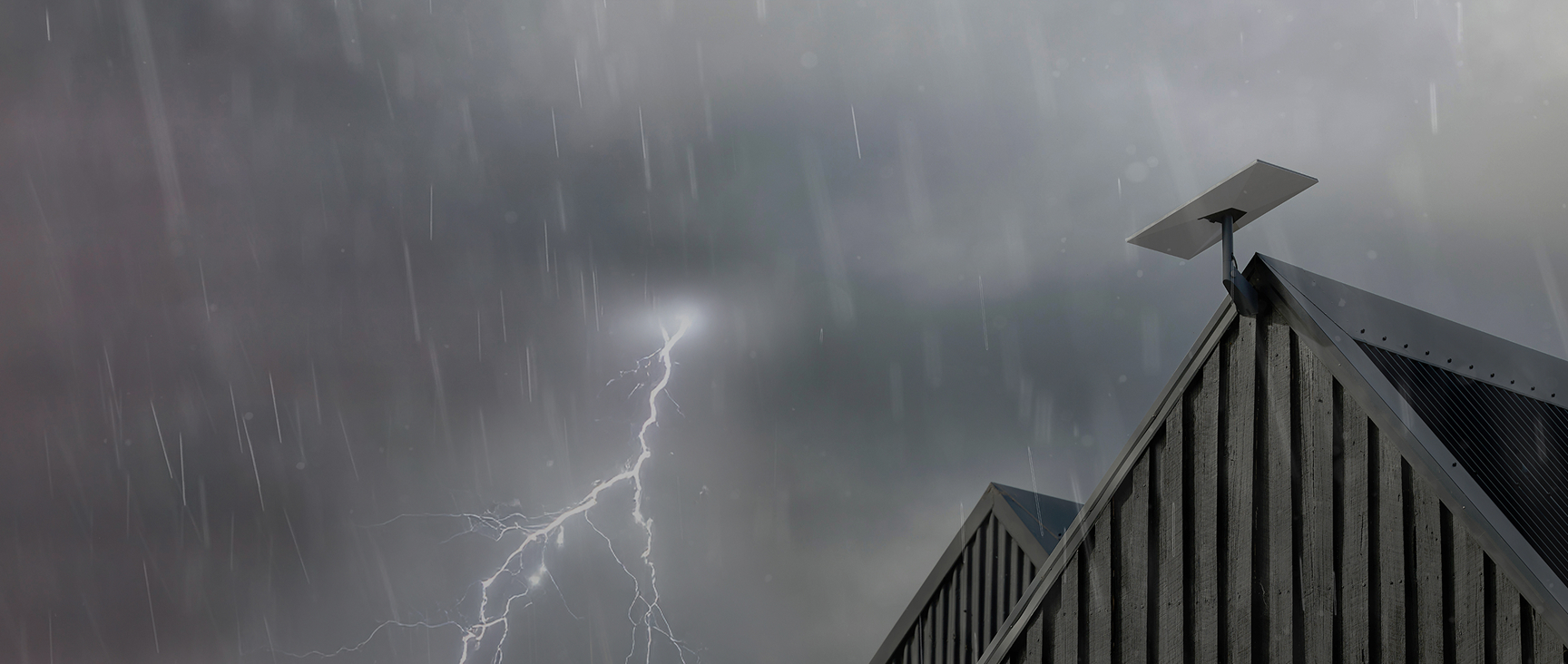
The Community Brigade deployment reflects a broader trend occurring across emergency management agencies worldwide.
Climate-driven wildfire intensity is increasing across many regions, placing greater stress on legacy communications infrastructure. Recent wildfire studies examining the Palisades Fire and other California wildfire events have highlighted major gaps in evacuation coordination, shelter accessibility, and emergency response communications.
As a result, satellite-based broadband systems are increasingly being integrated into emergency preparedness frameworks because they offer:
- infrastructure independence
- rapid deployment capability
- mobile scalability
- high-bandwidth connectivity
- resilience during grid failures
Unlike older satellite systems that suffered from high latency and limited throughput, Starlink’s low-Earth orbit architecture enables broadband-class performance suitable for real-time emergency operations.
This has important implications not only for wildfire response agencies but also for:
- disaster recovery teams
- search and rescue organizations
- emergency medical deployments
- utility restoration crews
- law enforcement coordination
Starlink Integration Into Standard Operating Procedures
One of the most significant outcomes of the deployment is that the Community Brigade has now formally integrated Starlink into updated operational SOPs (standard operating procedures).
This means Starlink is no longer treated as experimental technology but rather as mission-critical infrastructure embedded into frontline emergency operations.
The Brigade’s deployment model also demonstrates how relatively small volunteer organizations can implement enterprise-grade communication systems without requiring massive infrastructure investments.
Because Starlink terminals are portable and rapidly deployable, the system scales easily across:
- temporary command centers
- mobile vehicles
- wildfire staging areas
- evacuation shelters
- remote operations bases
This flexibility makes Starlink particularly valuable in unpredictable disaster environments where infrastructure conditions can change within minutes.

The Future of Emergency Communications
The success of the Community Brigade’s Starlink wildfire response deployment may represent a broader shift in how emergency communications are designed in the future.
Historically, emergency communication planning focused heavily on terrestrial redundancy through:
- radio repeaters
- backup towers
- mobile cell sites
- hardened infrastructure
However, modern wildfire behavior increasingly demonstrates that even hardened terrestrial systems can fail during large-scale incidents.
Satellite-based broadband introduces a fundamentally different resilience model: infrastructure independence.
As Starlink and similar systems continue evolving, emergency response organizations may increasingly adopt hybrid communication architectures that combine:
- satellite broadband
- LTE/5G failover
- radio interoperability systems
- cloud-based incident management tools
This layered approach could significantly improve operational resilience during future disasters.
Internal Link
For Starlink-compatible mobile mounts, rugged networking hardware, power adapters, and emergency deployment accessories, visit:
External Link
Official Starlink Community Brigade case study:
Starlink Emergency Services Case Study

Conclusion
The Community Brigade’s deployment demonstrates how Starlink wildfire response systems are reshaping emergency communications in disaster-prone regions.
By eliminating dependence on vulnerable terrestrial infrastructure, Starlink enabled continuous connectivity during some of Southern California’s most dangerous wildfire conditions. The result was improved situational awareness, better responder coordination, enhanced personnel safety, and zero operational connectivity downtime during critical incidents.
As wildfire intensity and infrastructure vulnerability continue increasing globally, resilient satellite connectivity may soon become a standard requirement rather than an optional upgrade for frontline emergency response organizations.


Laissez un commentaire