

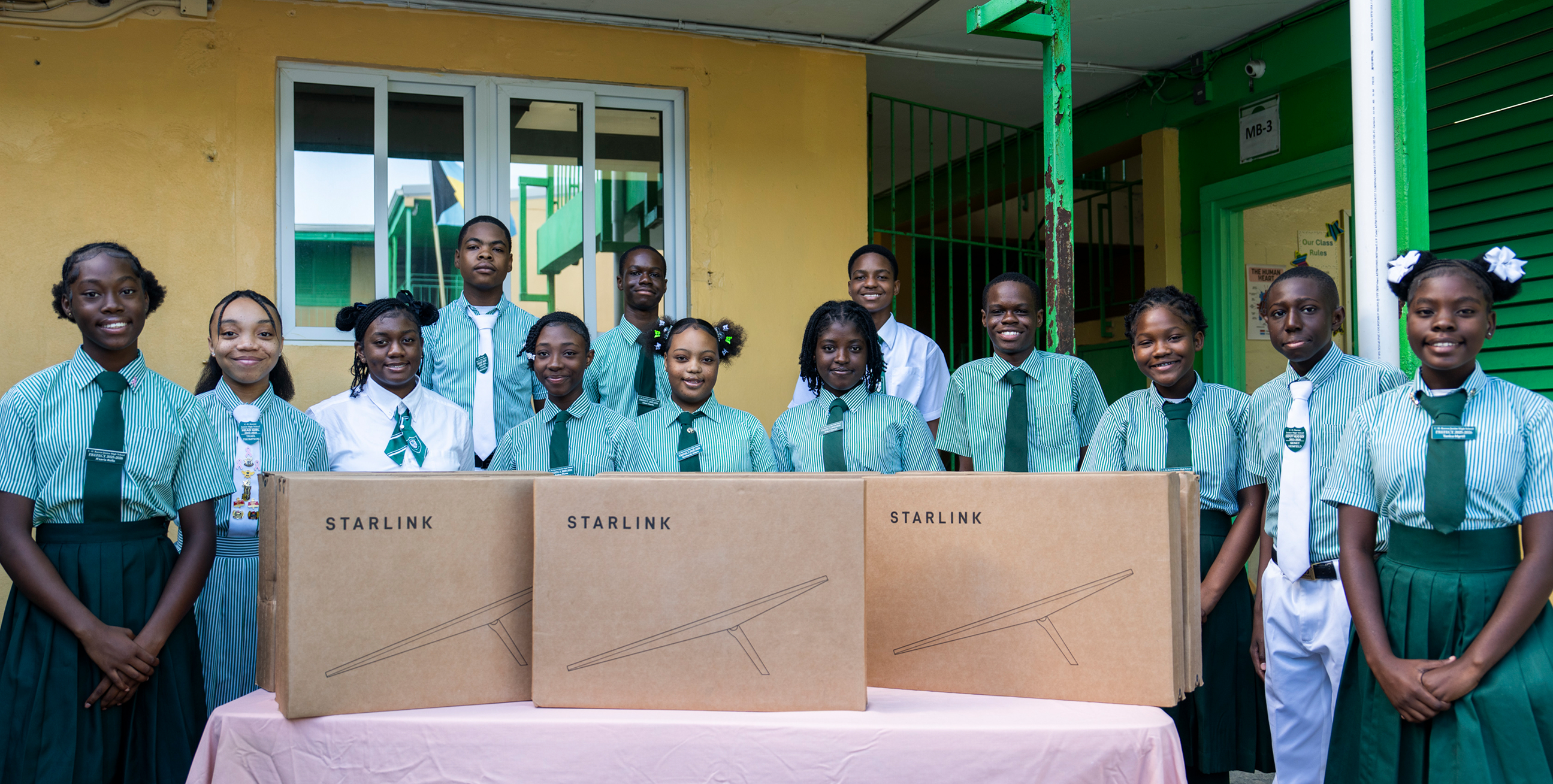
In many parts of the world, internet access is still one of the biggest barriers to educational equality. That is why Starlink Amazon Schools has become an important example of how satellite technology can directly improve education outcomes. In partnership with Brazilian non-profit Redes do Futuro, Starlink is helping connect 140 schools across Brazil’s remote Amazon region with reliable high-speed internet. More than 14,000 students now have access to online learning tools, educational content, and broader digital opportunities.

Why the Amazon Region Needs Better Connectivity
Brazil’s Amazon region is one of the most geographically complex areas for internet deployment. Dense rainforest, long river routes, isolated communities, and weak terrestrial infrastructure make fiber-optic expansion difficult and expensive.
Traditional broadband often struggles in:
- River-based communities
- Isolated villages
- Remote public schools
- Hard-to-reach municipalities
- Areas without strong telecom investment
This is where Starlink Amazon Schools creates a meaningful difference. Satellite broadband bypasses many physical limitations by delivering internet directly to regions where towers and fiber may not be practical.
How Starlink Amazon Schools Is Closing the Digital Divide
The digital divide is not just about internet speed. It affects access to educational quality, research tools, communication, and long-term economic opportunity.
With Starlink Amazon Schools, students can now access:
- Online classes
- Educational videos
- Digital research platforms
- Virtual collaboration tools
- Teacher resources
- Cloud-based assignments
For many rural students, this may be the first reliable access to structured digital education.
By bringing connectivity into schools, Starlink also supports surrounding communities. Internet infrastructure often becomes useful beyond the classroom, helping families and local organizations access information and communication tools.
Why Satellite Internet Works Better Than Traditional Infrastructure
Building terrestrial networks in rainforest zones is expensive, slow, and environmentally difficult.
Satellite internet helps solve:
- Long-distance cable limitations
- Low-density deployment costs
- Flood-prone environments
- Seasonal transport issues
- Remote maintenance challenges
This is why Starlink Amazon Schools is not just a connectivity project—it is a practical infrastructure model for underserved areas.
Low Earth orbit satellite systems can bring faster deployment and lower geographic dependency than many traditional broadband systems in isolated terrain.
Education Equity and Long-Term Social Impact
Reliable internet access directly affects education equity.
When students gain digital access, they can:
- Reach wider academic content
- Improve digital literacy
- Access remote tutoring
- Connect to virtual classrooms
- Prepare for future careers
- Participate in broader knowledge networks
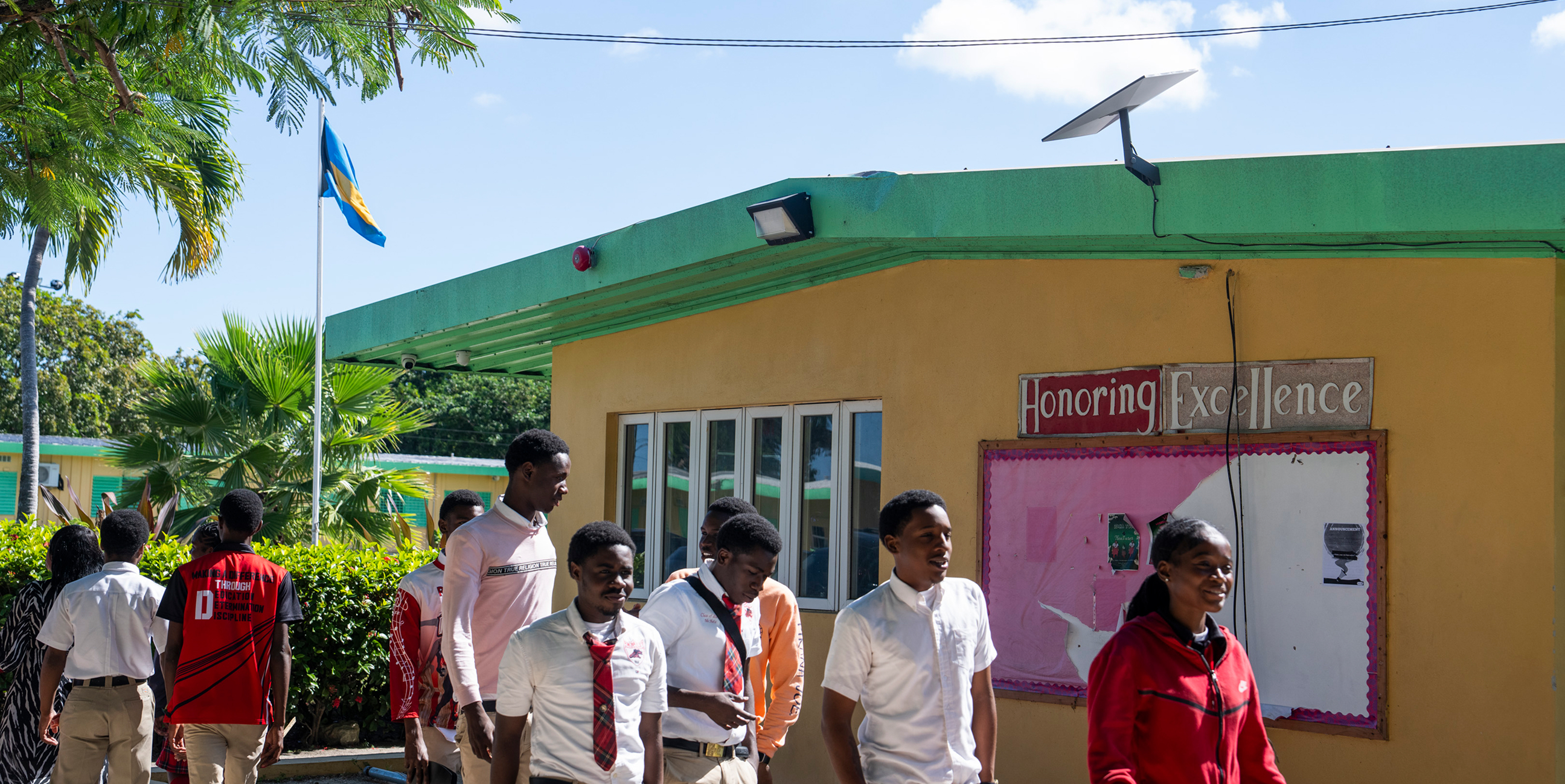
Starlink Amazon Schools supports more than technology. It helps reduce inequality between urban and remote learning environments.
This can also create long-term impact in:
- Workforce readiness
- Rural development
- Information access
- Community services
- Social mobility
In education systems, internet access increasingly functions as foundational infrastructure.
Why This Matters Beyond Education
The success of Starlink Amazon Schools could extend into other sectors.
Similar remote connectivity models may support:
- Telemedicine
- Emergency communications
- Environmental monitoring
- Community administration
- Remote agriculture
- Disaster response
The Amazon is one of the hardest regions on Earth for communications expansion. If scalable satellite broadband works there, it offers lessons for other underserved geographies.
What Businesses and Starlink Users Can Learn
This initiative shows how resilient satellite infrastructure supports more than consumer internet.
For businesses using Starlink in:
- Rural logistics
- Marine operations
- Off-grid projects
- Remote field work
- Industrial deployments
network reliability becomes essential.
If you're building mobile or fixed Starlink deployments, accessories matter too: WXP Link Starlink Accessories
For official Starlink information and updates: Starlink Official Website

Final Thoughts
Starlink Amazon Schools is a strong example of how satellite internet can create direct social impact.
By helping connect 140 schools across Brazil’s remote Amazon region, Starlink and Redes do Futuro are giving more than 14,000 students access to learning tools, opportunity, and digital inclusion.
As satellite connectivity expands, education may become one of the most meaningful areas of transformation.


Laissez un commentaire