

Savage, established in 1946 and headquartered in Midvale, Utah, operates as a major private enterprise across multiple sectors of the global supply chain. With three primary business units — Savage Infrastructure, Bartlett, and Texon — and a workforce of more than 4,200 team members across nearly 200 locations in the U.S., Canada, Mexico, and Saudi Arabia, the company is essential to helping customers feed the world and power their lives. For Savage, delivering uninterrupted service around the clock is not just operationally important — it is a core requirement for preserving customer trust and maintaining resilience in critical supply chain functions.
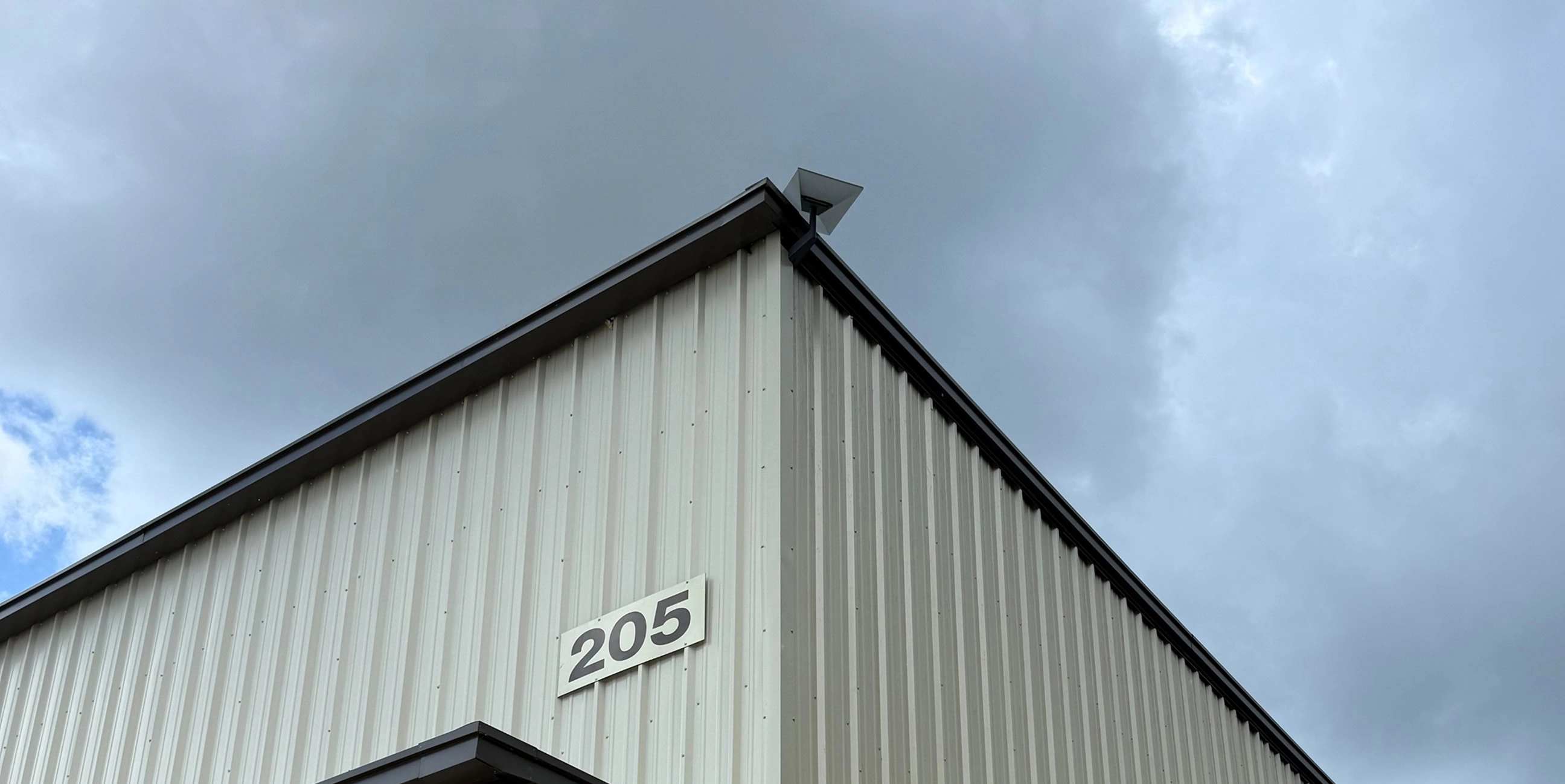
However, one long-standing challenge facing Savage’s operations has been ensuring reliable, high-speed internet connectivity at remote or hard-to-access sites. Many of the company’s facilities — whether located behind customer property fences, across railroad tracks, or in industrial facilities without nearby wired internet infrastructure — were difficult to connect through traditional wireline services. Deploying fiber, cable, or other terrestrial options often required digging permits, coordination with multiple agencies, and weather-dependent work schedules, all of which could delay installations by six to nine weeks or more. This landscape of long lead times, complex permits, and uneven service availability made dependable connectivity a persistent obstacle.
To navigate these difficulties, Savage had previously relied on a mix of internet solutions, from outdated DSL to satellite and cellular services, choosing options based on perceived performance and cost. But this approach often resulted in a frustrating guess-and-test process when surveying connectivity feasibility for specific sites. Additionally, managing numerous wireless contracts and diverse carriers added operational overhead, making it harder to deliver consistent connectivity for remote teams.
To streamline connectivity and overcome legacy limitations, Savage turned to Starlink remote connectivity for supply chain operations — a satellite broadband solution that delivers fast, high-performance internet without reliance on terrestrial infrastructure or lengthy installations. Starlink’s agile, flexible architecture allows installations in remote locations without the need to excavate fiber, negotiate digging permits, or wait on multi-agency approvals. This shift toward satellite broadband enabled Savage to deploy connectivity rapidly and cost-effectively across a fraction of its network footprint.
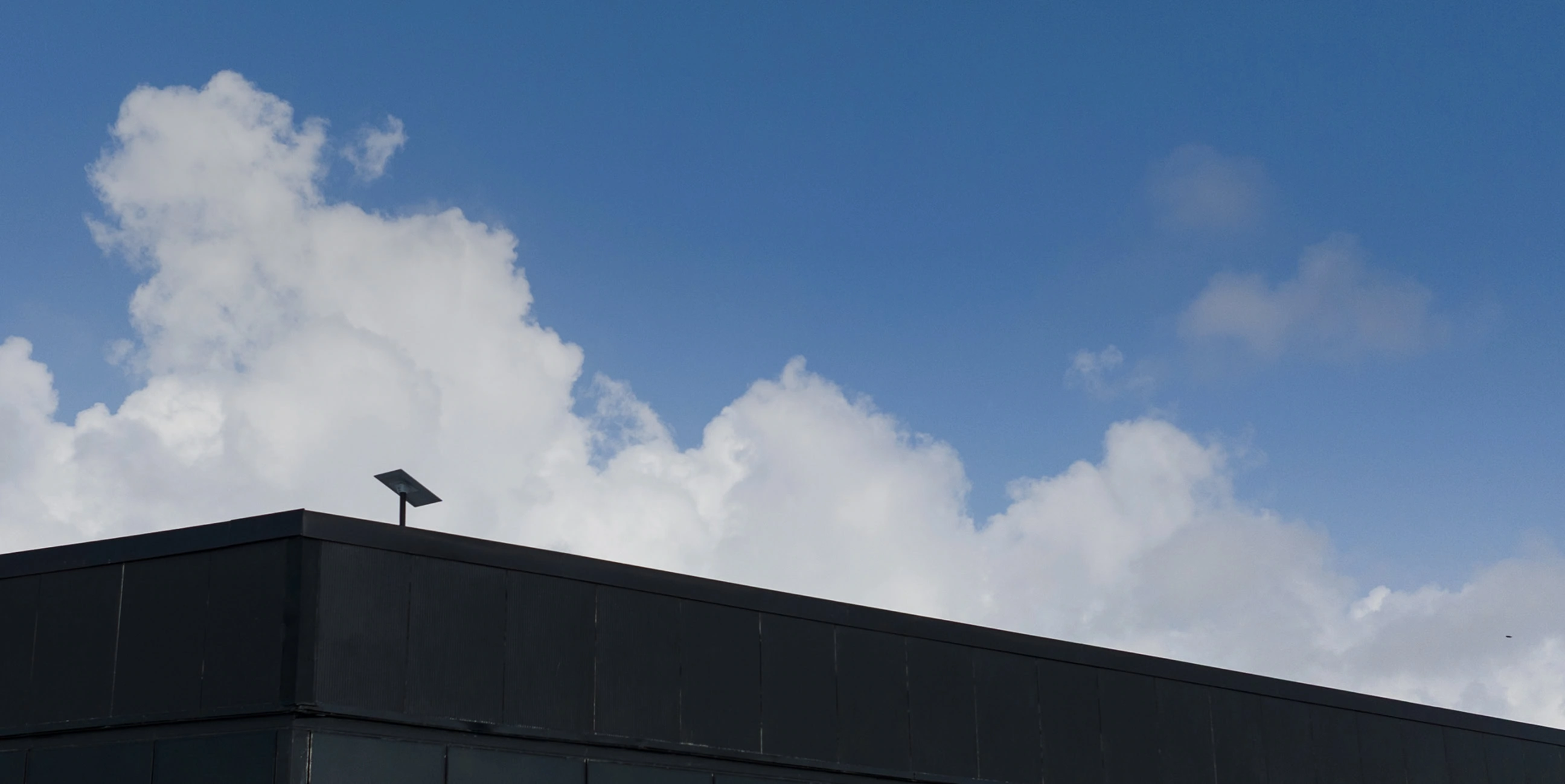
According to the case documentation, Savage implemented Starlink Enterprise and Performance Kits at numerous sites, dramatically increasing bandwidth, uptime, and coverage for mission-critical operations. This solution provided what many field teams had previously lacked: reliable, high-speed internet that can be deployed and managed in-house. On-site teams can ship, set up, and maintain the connectivity hardware themselves, reducing dependence on external contractors and eliminating many of the delays associated with traditional network rollouts.
The benefits of Starlink have already materialized in measurable operational improvements. By moving roughly seventy percent of its sites to Starlink connectivity — most of which were installed without the need for professional contractors — Savage significantly reduced installation costs and simplified network management. With more than 95 percent of Starlink units installed directly by internal teams, the company realized savings of over $60,000 in initial deployment expenses and continues to refine the roll-out process for future locations.
Beyond cost savings, the deployment of Starlink remote connectivity has enhanced business agility, allowing Savage to relocate equipment without being tied to long-term service contracts or penalizing infrastructure agreements. In remote logistics and supply chain contexts where uptime is essential and disruptions are costly, having an internet solution that is easy to relocate, easy to manage, and reliably performant represents a significant competitive advantage.

For many industrial enterprises, the shift toward satellite broadband like Starlink reflects a broader trend in solving connectivity gaps where traditional wireline services are impractical. Whether used for inventory and operational reporting, real-time collaboration between field teams, remote monitoring of equipment, or supporting digital platforms that streamline operations, high-performance connectivity becomes a cornerstone of modern supply chain resilience.
In Savage’s case, Starlink remote connectivity for supply chain operations has reduced complexity, cut costs, and given teams dependable internet access in even the most difficult environments. With continued adoption and expansion across their network footprint, Savage is positioned to future-proof its connectivity approach while sustaining a culture of uninterrupted service delivery for global partners.


Laissez un commentaire